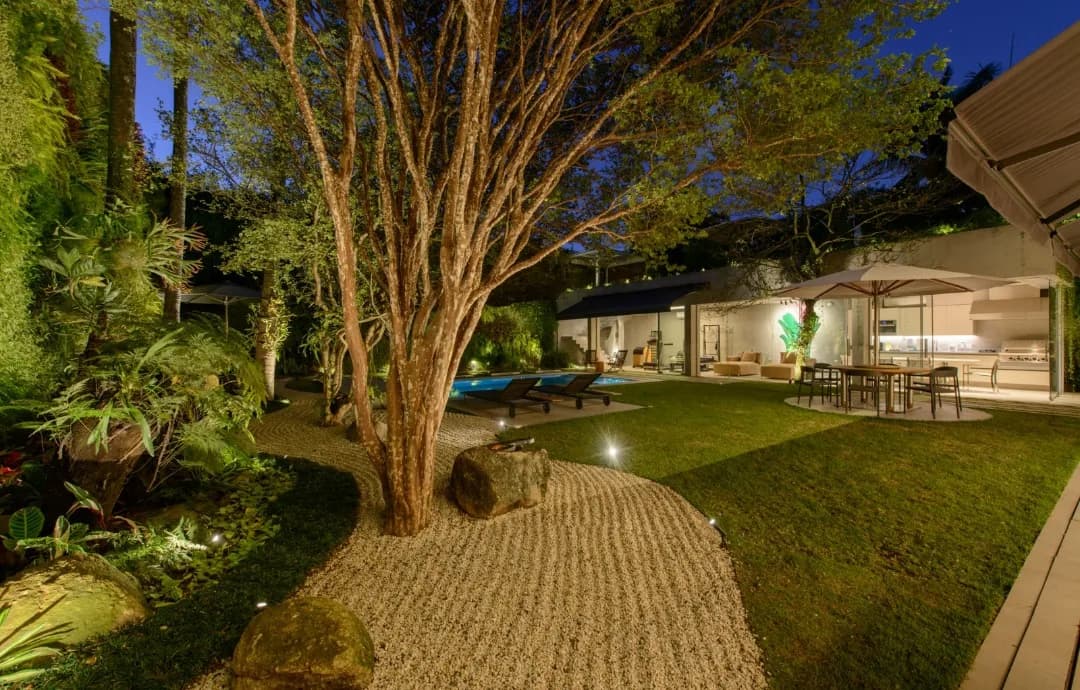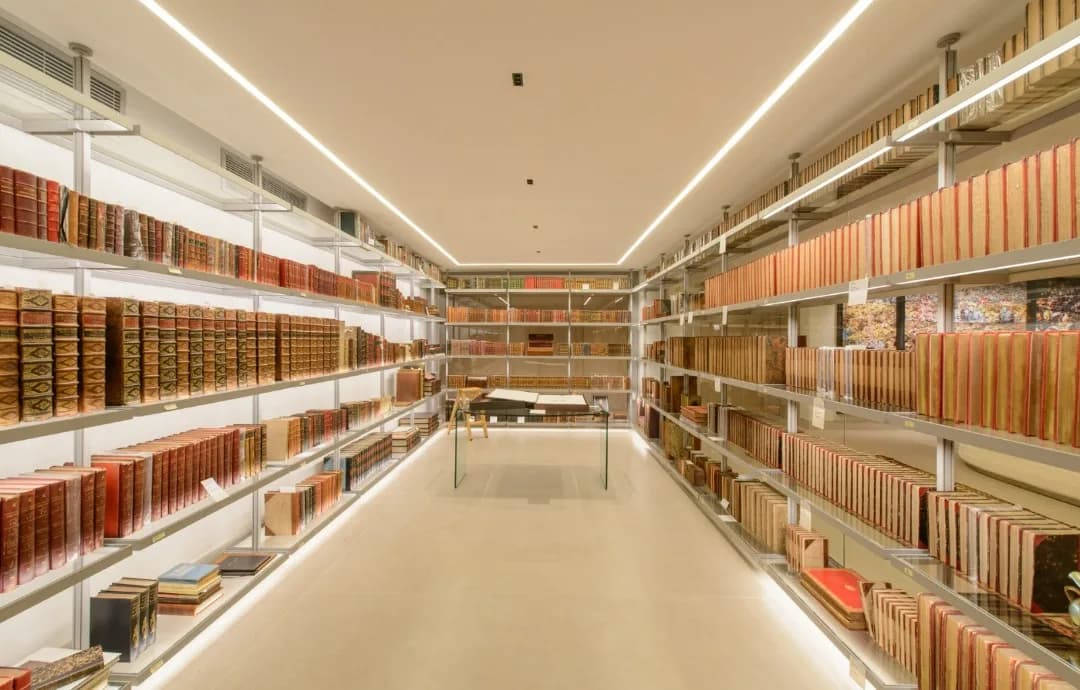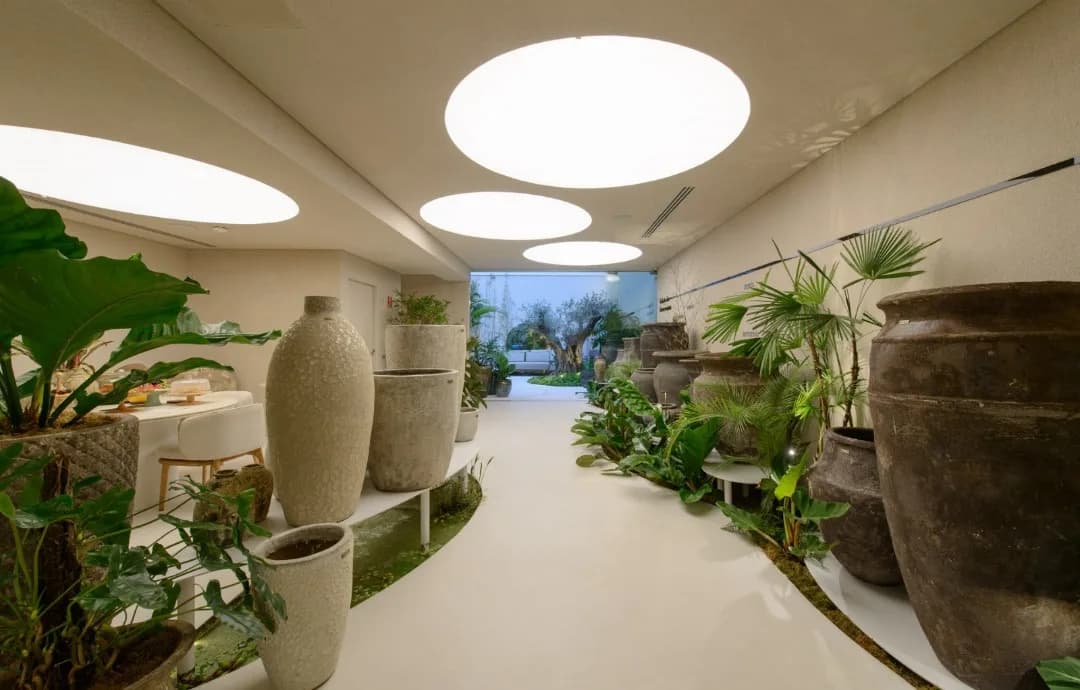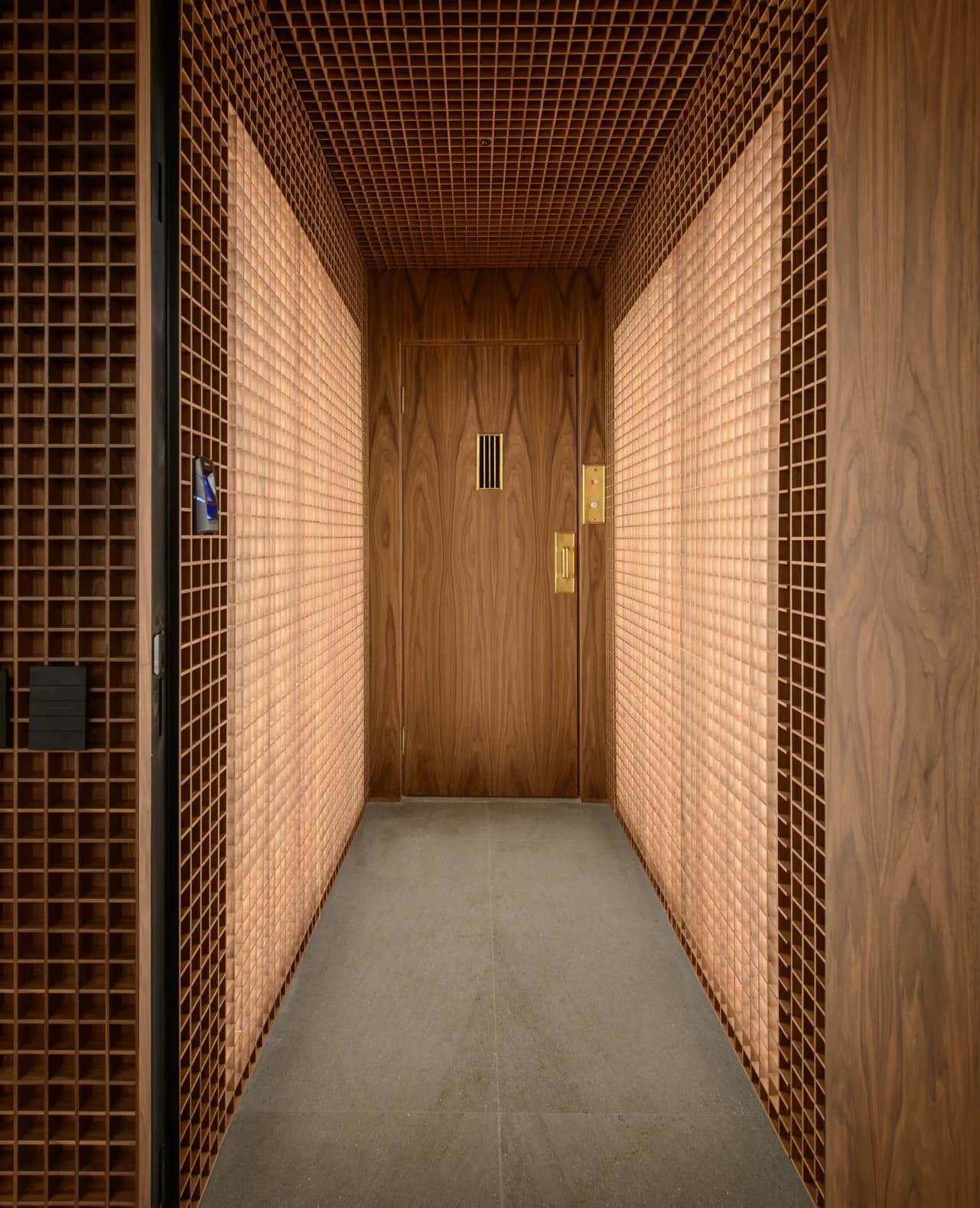
Evolutionary biology studies how living beings have changed, over generations, in response to the conditions of their environment. Among those conditions, few have been as constant as the alternation between light and darkness.
Since the earliest forms of life, light has been linked to energy production, metabolism and the organisation of biological time. Long before eyes appeared, primitive organisms already had photosensitive molecules able to detect the presence, the absence and the variations of light.
Perceiving these changes was an evolutionary advantage. By recognising and anticipating dawn and dusk, organisms could adjust their periods of activity, feeding, reproduction, protection and rest. Gradually, the regularity of natural cycles was built into the workings of life.
As evolution went on, simple photosensitive systems gave rise to increasingly complex structures. Vision made it possible to recognise shapes, colours, distances and movement. Yet part of light perception kept performing non-visual functions, tied to the synchronisation of biological rhythms.
That history remains written in the human body. The light that reaches the eyes does not only form images: it also takes part in regulating sleep and wakefulness, alertness, body temperature, hormone production, metabolism, cognition and behaviour.
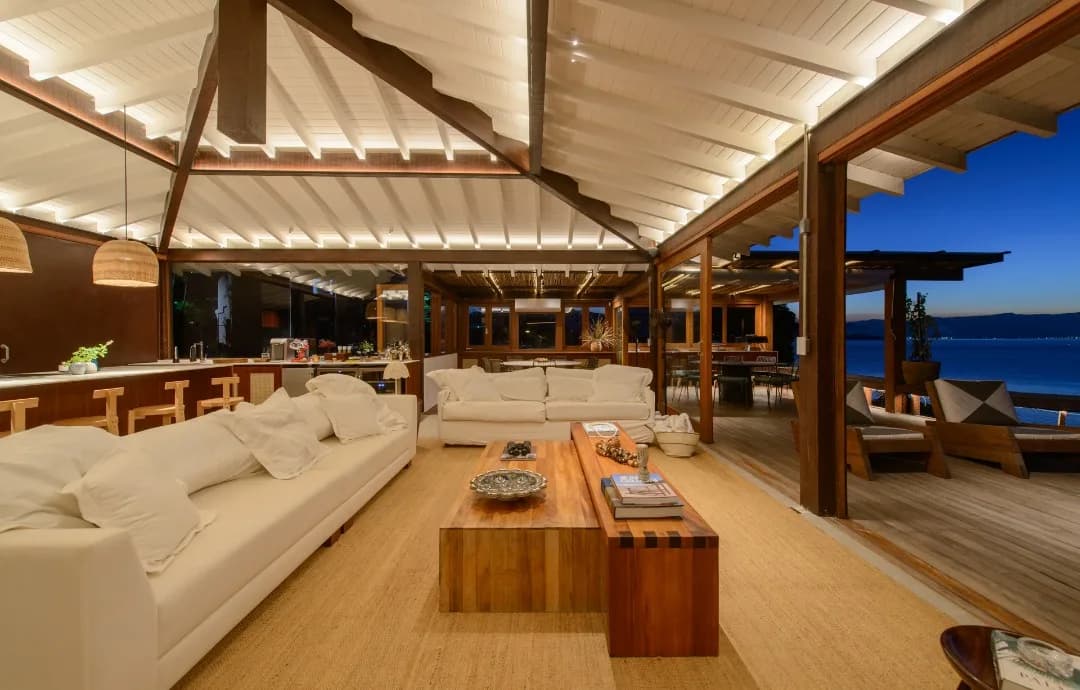
Human beings evolved under the dynamic light of the sky — intense and bluish at certain moments, soft and warm at others, followed by darkness. Today, however, they spend much of their time indoors, often exposed to static light during the day and excessive light at night.
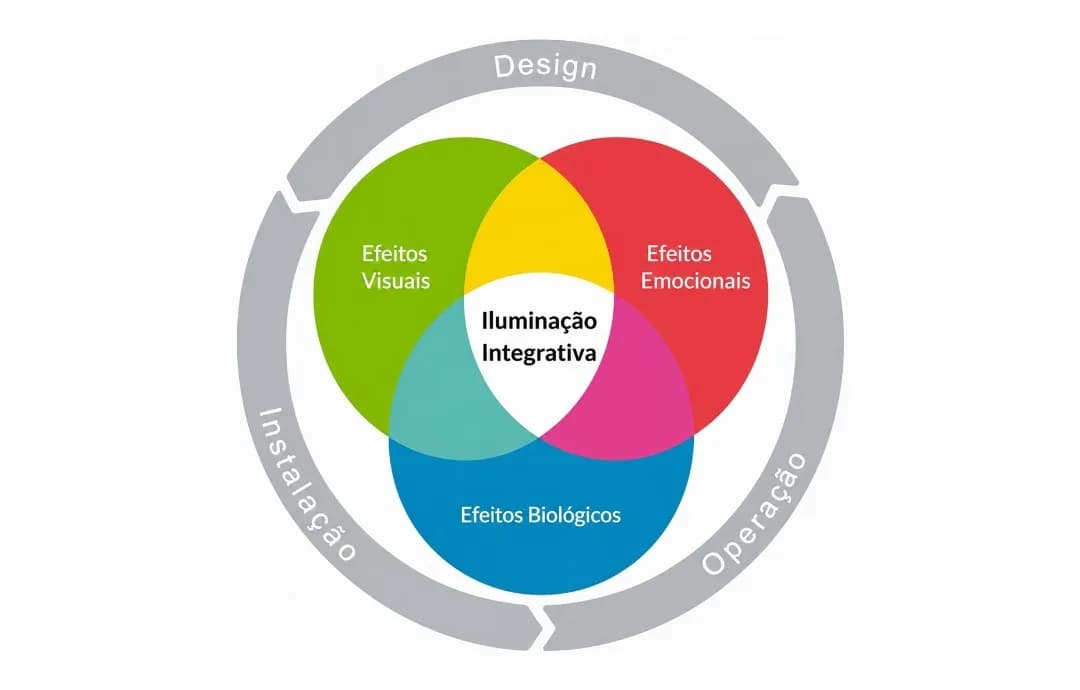
Understanding this evolutionary heritage broadens the role of lighting design. It is not only about making architecture visible, but about creating luminous environments that consider the relationship between light, biology, perception and human experience.
WeLight brings the study of evolutionary biology into the development of its Integrative Lighting projects, recognising that designing light for the present also requires understanding how light took part in building life over time.