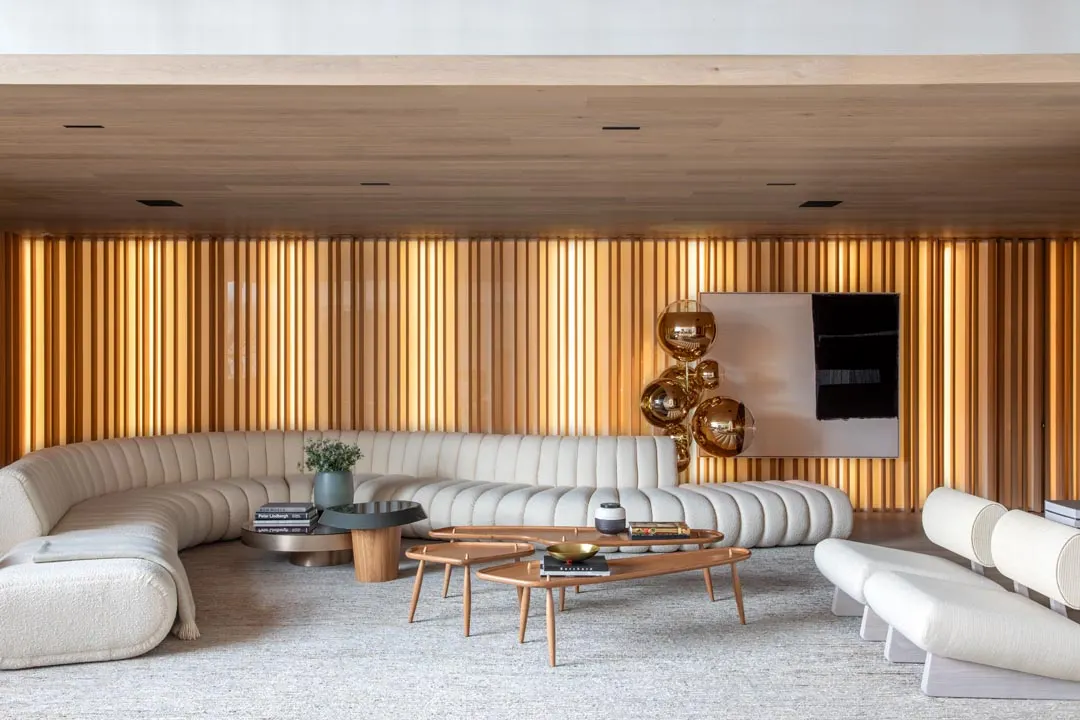
Method
Designing the luminous environment
In every space, people, architecture and light establish a relationship of their own.
Understanding who inhabits it, interpreting the architecture and recognising its particularities guide decisions in which creativity, knowledge, technology and precision come together.
- Creativity
- Knowledge
- Technology
- Precision
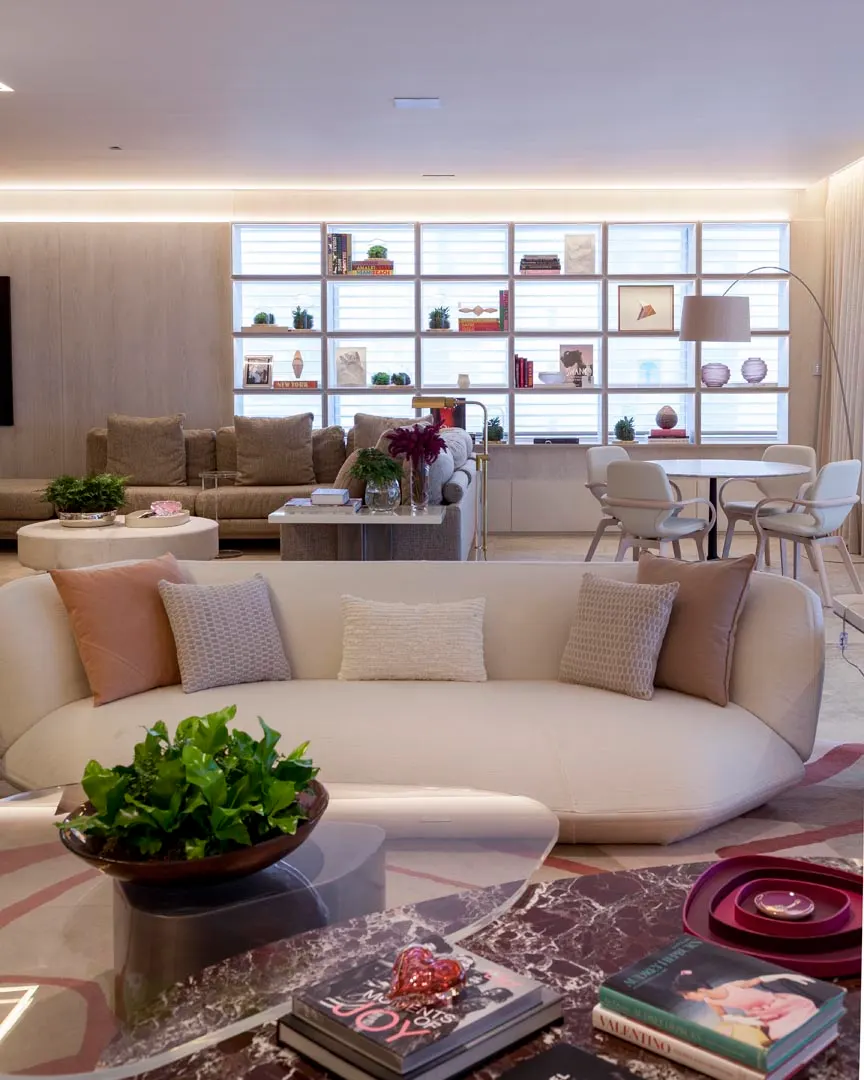
Who inhabits
Light begins with people
Our relationship with light changes over a lifetime and from one person to another.
Routines, ages, visual needs, chronotypes and neurodiversity influence the way we perceive and respond to light.
Understanding these differences makes the human dimension part of the lighting design concept.
- People
- Routines
- Ages
- Chronotypes
- Perception
- Time
- Neurodiversity
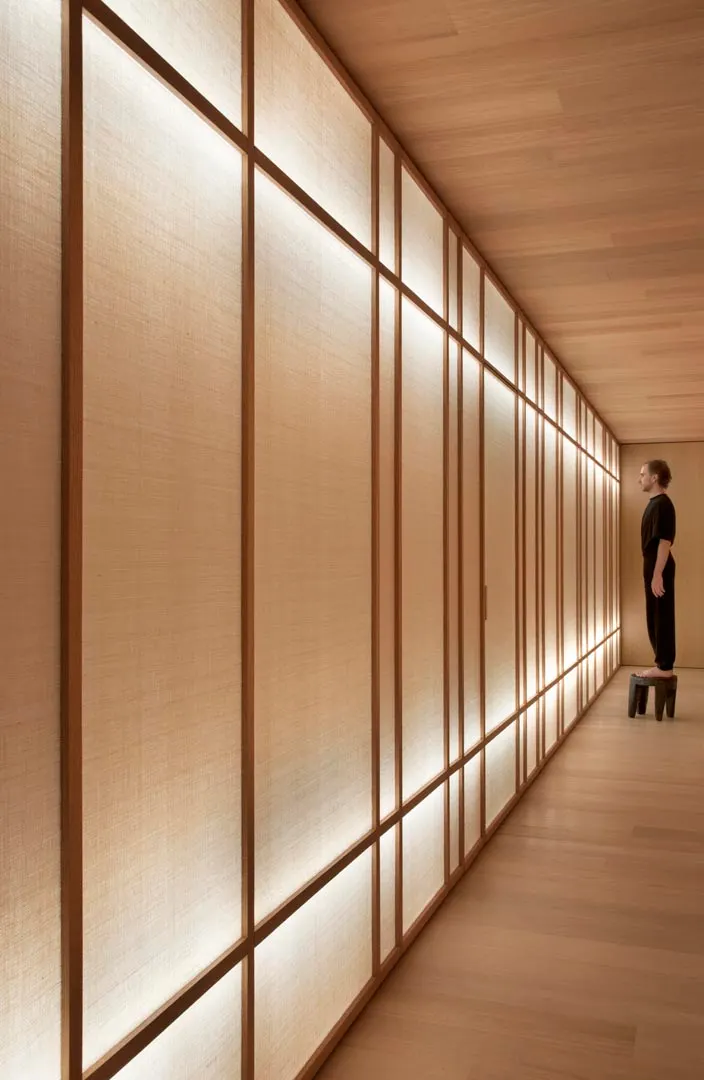
What space
Architecture guides the light
Every space sets its own conditions for lighting.
Architectural concept, volumes, proportions, materiality, uses and the presence of natural light guide the decisions, preserving the intention of the architecture and revealing its qualities.
- Architecture
- Materiality
- Volumes
- Proportions
- Natural light
- Use
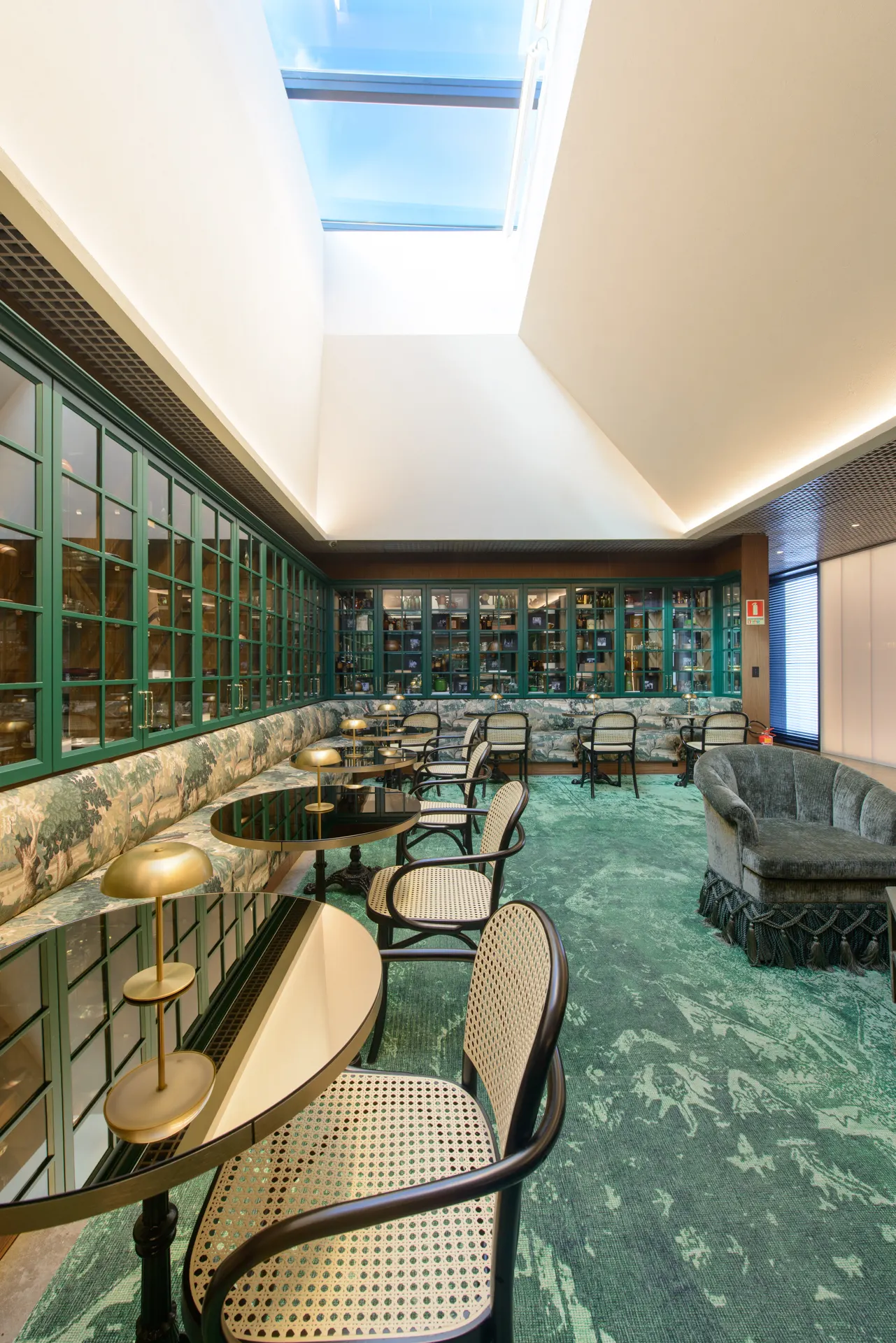
Techniques
Technique builds the light
Lighting decisions bring together distribution, intensity, contrast, direction, spectrum, colour temperature and colour rendering to build different layers of light.
These relationships also change throughout the day, following the uses of the space and the presence of natural light.
- Distribution
- Contrast
- Direction
- Spectrum
- Colour temperature
- Colour rendering
- Time
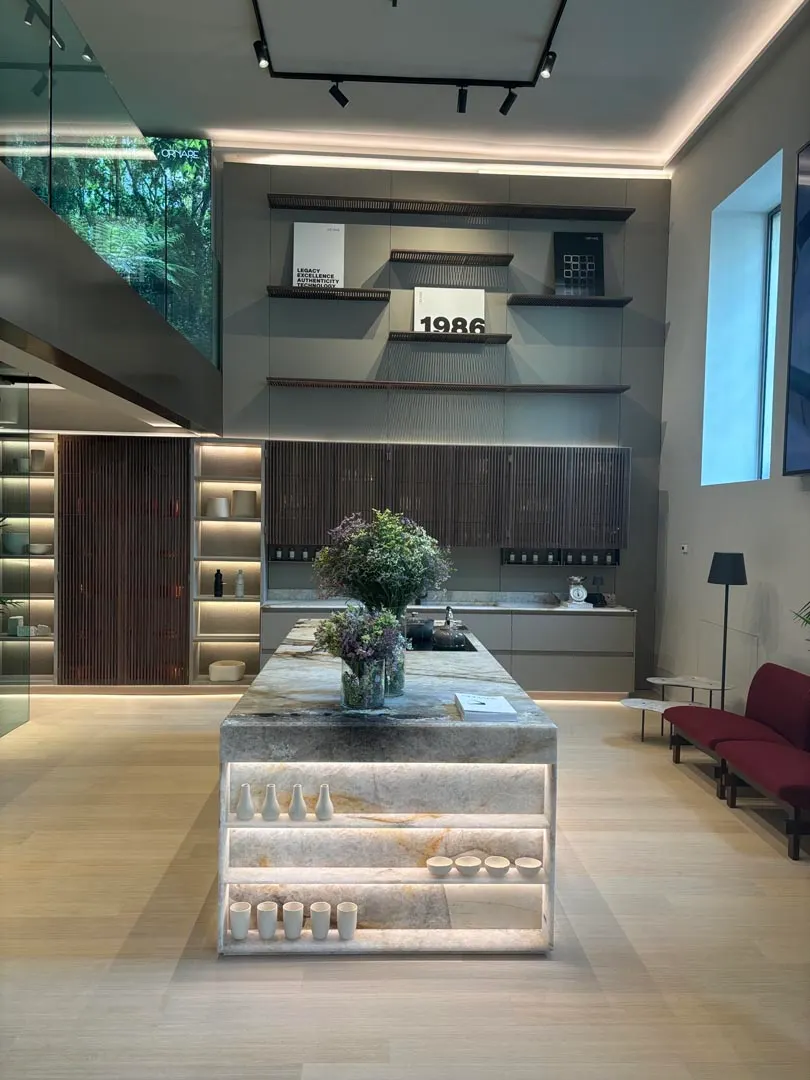
Artefacts
Light takes shape
Light sources, optics, luminaires and lighting control systems materialise the decisions of the lighting design.
Each choice balances performance and aesthetic expression, in tune with the architecture and with the way the space is lived in.
When the project calls for a singular solution, customisation allows each element to be developed in keeping with the design intent.
- Lighting design
- Performance
- Architecture
- Aesthetics
- Customisation
25 years designing light.
YOU THINK. WE LIGHT.